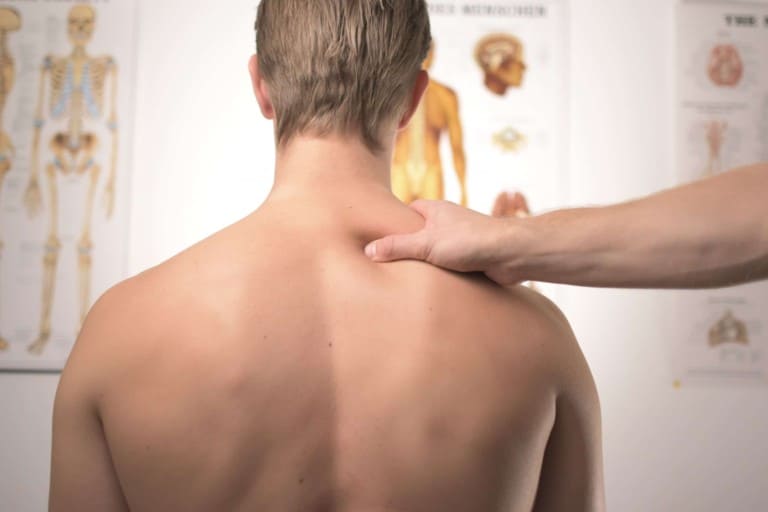

Acupuncture for Headaches: Why the Type of Headache Changes Everything
If headaches have become a regular part of your life, you already know how exhausting it is. The pain itself is bad enough, but the way it steals your focus, your patience, and your ability to show up fully for the things that matter to you? That’s the part no one talks about.
As a licensed acupuncturist in Richmond, Virginia, I work with headache and migraine patients who have tried Advil, Excedrin, prescription medications, and sometimes even Botox, and still can’t get lasting relief. That doesn’t mean those options are useless. It means the root cause hasn’t been addressed yet. And that’s exactly what Chinese medicine is designed to do.
In this article, I’ll walk you through the five patterns of headaches I see most often in my practice, what causes each one, what you can do right now, and what the research says about acupuncture for headaches and migraines.
Why Headaches Are More Than Just Head Pain
Headaches affect nearly half of the global population, making them one of the most common neurological conditions in the world. Most people experience either tension-type headaches or migraines, though the two can overlap. What many people don’t realize is that headaches are rarely just about your head.
Research increasingly points to headaches as a whole-body issue involving inflammation, nerve irritation, hormonal fluctuations, gut dysfunction, and chronic muscular tension. Your sinuses, your neck, your digestive system, your menstrual cycle, and your stress levels can all be driving the pain you feel in your head.
This is where Chinese medicine has a real advantage. Rather than treating every headache the same way, I look at the underlying pattern driving your specific headaches. Two patients can walk into my clinic both saying “I get terrible headaches,” and I might treat them in completely different ways, because the root cause is different.
Five Patterns of Headaches I See Most Often
In Chinese medicine, headaches aren’t one condition. They’re a symptom of an underlying imbalance, and the imbalance varies from person to person. Here are the five patterns I encounter most frequently at my practice in Richmond.
Sinus Pain and Congestion: The Richmond Special
This is the number one cause of headaches I see here in Richmond. If you didn’t have sinus issues before you moved here, you’re not imagining it. Richmond’s pollen counts, humidity, and seasonal shifts create the perfect storm for sinus inflammation.
When your sinus passages are inflamed, the buildup of fluid and pressure causes headaches that are typically felt behind the eyes, across the forehead near the eyebrows, or deep in the cheekbones. You may notice the pain worsens when you bend forward or during damp, cold weather.
Here’s what surprises most patients: about 80% of the people I see with sinus-driven headaches have no idea their sinuses are involved. You have sinus cavities that spread into your cheeks and forehead, and many people simply don’t have strong sensory awareness of those areas. If your headache consistently shows up in your cheeks or the middle of your forehead, your sinuses are likely playing a role.
One thing you can try now: A warm compress over your sinuses combined with steam inhalation (a bowl of hot water with a towel over your head) can provide temporary relief by promoting drainage. If this helps even a little, that’s a strong clue your sinuses are involved.
If you’re dealing with sinus issues alongside headaches, my article on acupuncture for sinuses goes deeper into how we treat this.
Neck Tension and Stress: The Desk Worker’s Headache
If you spend your days in front of a computer, this one is probably familiar. Sitting with poor posture places enormous tension on your neck and shoulders. Add “text neck” from hovering over your phone, and you have a recipe for chronic headaches.
In Chinese medicine, this pattern involves Qi and Blood stagnation in the channels that run through the neck, shoulders, and up into the head. When circulation gets blocked in these areas, headaches follow. Stress compounds the problem because we naturally tense our necks, shoulders, and jaws when we’re under pressure.
These headaches are typically felt at the base of the skull, over the middle of the eyebrows, sometimes behind one eye, or around the temples and jaw if clenching is involved.
One thing you can try now: Stretch your neck gently by tilting your ear toward your shoulder and holding for 30 seconds on each side. Do this several times throughout the day, especially if you’ve been at your desk for more than an hour. Movement breaks the stagnation cycle.
Hormonal Headaches: The Cycle-Linked Pattern
Women experience headaches and migraines at nearly three times the rate of men, and the reason is hormonal. Both estrogen and progesterone play key roles in regulating chemicals in the brain that affect headache pathways. When these hormones fluctuate, headaches often follow.
In Chinese medicine, hormonal headaches typically involve Liver Blood Deficiency or Liver Qi Stagnation, depending on whether the headaches hit during menstruation (when Blood is depleted) or around ovulation and the premenstrual phase (when Qi stagnation tends to peak). Women with this pattern often also experience PMS, breast tenderness, mood swings, or heavy and painful periods.
One thing you can try now: Track when your headaches occur relative to your cycle. If they cluster around your period or ovulation, that’s important clinical information. Write it down so we can pinpoint the pattern.
If hormonal imbalances are part of your picture, you may also find my article on acupuncture for hormonal health helpful.
Inflammation and Migraines: The Nerve-Driven Pattern
Migraines are their own category of suffering. The throbbing, pulsating pain, sensitivity to light and sound, nausea, and sometimes visual disturbances (aura) can completely shut down your day. While the exact cause of migraines isn’t fully understood by Western medicine, research increasingly points to neuroinflammation and nerve irritation as central drivers.
In Chinese medicine, migraines often involve Liver Yang Rising or Liver Wind, patterns where stagnation in the Liver system generates internal heat that rises to the head. Contributing factors include chronic stress, poor sleep, dehydration, and inflammatory triggers in the diet.
I work with migraine patients to identify their specific triggers and reduce the inflammatory load on their nervous system. Acupuncture combined with Chinese herbal formulas can be remarkably effective here, especially when we address the pattern rather than just chasing the pain.
One thing you can try now: Keep a migraine diary for two weeks. Note what you ate, how you slept, your stress level, and where you are in your menstrual cycle (if applicable) before each episode. Patterns almost always emerge, and those patterns tell me exactly where to focus treatment.
Diet and Gut Health: The Hidden Headache Trigger
This is the pattern most people never suspect. The gut-brain connection is well established in research, and specific foods or underlying digestive dysfunction can directly trigger headaches and migraines. I see patients all the time who have no idea their diet is contributing to their pain.
In Chinese medicine, this pattern involves Damp Heat or Spleen Qi Deficiency disrupting the digestive system, which generates turbidity that rises to the head. Patients with this pattern often also have bloating, irregular digestion, brain fog, or fatigue alongside their headaches.
Common dietary triggers include processed foods, alcohol (especially red wine), aged cheeses, artificial sweeteners, and foods you may have an undiagnosed sensitivity to. The tricky part is that the headache may not appear for 24-48 hours after the trigger, making the connection hard to spot without deliberate tracking.
One thing you can try now: Try an elimination approach. Cut out the most common triggers (alcohol, processed foods, dairy, artificial sweeteners) for two weeks and see if your headache frequency changes. If it does, add foods back one at a time to identify the culprit.
If digestive issues are part of your picture, you may also find my articles on acupuncture and bloating and acupuncture for IBS helpful. There’s more overlap between gut health and headaches than most people realize.
What the Research Says About Acupuncture for Headaches
The evidence for acupuncture for both tension-type headaches and migraines has grown substantially, with multiple systematic reviews and meta-analyses showing positive results.
A 2025 systematic review evaluating acupuncture versus conventional medications for migraine prevention found that acupuncture was effective for reducing migraine frequency while producing fewer side effects than pharmaceutical options.
A 2024 meta-analysis examining multiple forms of acupuncture-related therapy for migraines across 30 randomized controlled trials concluded that acupuncture exhibited superior effectiveness compared to standard treatments, supporting its role in clinical migraine management.
For tension-type headaches specifically, a 2024 review found that acupuncture provided durable post-treatment effects for up to 6 months compared to sham acupuncture, with no severe adverse events reported. Patients showed significant decreases in headache frequency at 6 weeks post-treatment.
A 2023 meta-analysis in the Journal of Neurology confirmed that acupuncture produced greater reduction in tension-type headache frequency than sham acupuncture, both immediately after treatment and at follow-up, across 2,722 patients in 30 randomized controlled trials.
Research has also shown that acupuncture can improve anxiety and depression in migraine patients, addressing the emotional toll that chronic headaches take on quality of life.
The bottom line: acupuncture for headaches and migraines is backed by substantial clinical evidence. It’s not just pain management. It works on the underlying inflammatory, neurological, and muscular patterns driving your headaches.
A Patient’s Story: How Acupuncture Changed Jenna’s Migraines
At 38, Jenna had been dealing with migraines for over a decade. They had started in her late twenties and gradually worsened until she was having 3-4 episodes per month, each one costing her at least a full day. She’d tried multiple preventive medications and kept a strict avoidance list of known triggers, but the migraines kept coming.
When Jenna came to Centered: Richmond Acupuncture, her intake revealed something important: her migraines clustered around her period, she had significant neck and shoulder tension from her desk job, and she’d been dealing with bloating and irregular digestion for years. In Chinese medicine terms, she had overlapping patterns: Liver Qi Stagnation driving the hormonal component, Blood stagnation in the neck and shoulders from chronic tension, and Damp Heat in the digestive system adding to the inflammatory load.
Together, we created a treatment plan combining acupuncture twice weekly for the first month (then weekly), a personalized Chinese herbal formula to address the Liver stagnation and digestive inflammation, and targeted dietary changes to reduce her inflammatory triggers.
Within the first month, Jenna’s migraines dropped from 3-4 per month to 1-2. By month three, she was going weeks without an episode. Her neck tension improved dramatically, her digestion settled, and her premenstrual symptoms eased alongside the headaches.
After six months of treatment, Jenna went from losing 4+ days per month to migraines to having maybe one mild headache every few weeks, manageable without medication. She described getting her life back.
What Treatment Looks Like at Centered: Richmond Acupuncture
If you’re considering acupuncture for headaches, here’s what to expect.
Your first step is a complimentary consultation, a free visit where we sit down together and I learn about what you’re going through. I want to understand your headache history, your triggers, your lifestyle, and the full picture. There’s no pressure and no commitment.
If we move forward, I’ll study your intake form before your first treatment visit and come prepared with targeted questions to clarify your diagnosis. At that first treatment, you’ll receive your initial acupuncture session and, if appropriate, your first herbal prescription. I’ll also give you a Symptom Tracker, a tool where you track changes in headache frequency, intensity, and related symptoms like sleep and neck tension that tell us whether treatment is moving in the right direction.
Most headache patients benefit from a combination of acupuncture and Chinese herbal medicine. The acupuncture works on releasing muscular tension, calming the nervous system, reducing inflammation, and restoring proper circulation. The herbs work from the inside to address the specific pattern driving your headaches, whether that’s hormonal fluctuations, digestive inflammation, or Liver Qi Stagnation.
Acupuncture Works Alongside Your Current Treatment
If you’re currently taking migraine medications, using Botox for headaches, or seeing a neurologist, acupuncture can work right alongside those treatments. This isn’t an either/or situation. Many of my patients are doing both, and the combination often produces better results than either approach alone.
Acupuncture addresses dimensions of headaches that medication may not fully reach: the chronic muscular tension, the hormonal patterns, the gut inflammation, the stress response. By working on those root causes, acupuncture can reduce your reliance on acute medications over time.
Ready to Get to the Root of Your Headaches?
Headaches don’t have to run your life. If you’re in Richmond, Virginia, whether you’re in the Fan District, Church Hill, Short Pump, Midlothian, or Glen Allen, I’d love to talk with you about what’s going on and whether acupuncture might help.
Your first consultation is free. Book online here or call us at (804) 234-3843.
Maegan Hodge, L.Ac., MSOM. Board Certified, NCCAOM/NCBAHM #137186. Master of Science in Oriental Medicine: National University of Natural Medicine. Bachelor of Arts in Psychology: University of Virginia. Treating patients in Richmond, VA since 2010. Centered: Richmond Acupuncture & Wellness. Last reviewed: May 2026.
Related Articles You May Find Helpful:
- Acupuncture for Sinuses: How Chinese Medicine Can Help
- Acupuncture for Anxiety: A Chinese Medicine Guide to 6 Types of Anxiety
- Acupuncture and Bloating: Root Causes and How We Treat Each One
- Acupuncture for Stress: How Chinese Medicine Can Help
References: