
Acupuncture for Constipation: When Fiber, Laxatives and Water Aren’t Enough
If constipation has become your normal, you know it’s about so much more than just not going. It’s the bloating that makes your clothes uncomfortable by noon. The heaviness that drags down your whole day. The frustration of trying fiber, MiraLAX, magnesium, prune juice, and still feeling stuck. And the way it quietly affects everything, your mood, your sleep, your confidence, your willingness to eat at all.
As a licensed acupuncturist in Richmond, Virginia, I work with constipation patients who have tried every over-the-counter remedy and dietary change they can think of, and still can’t find lasting relief. That doesn’t mean those approaches were wrong. It means the root cause hasn’t been identified yet. And that’s exactly what Chinese medicine is designed to do.
In this article, I’ll walk you through the five patterns of constipation I see most often in my practice, what causes each one, what you can do right now, and what the research says about acupuncture for constipation.
Why Constipation Is More Than Just a Bowel Problem
Constipation affects an estimated 16% of the general population and up to 33% of adults over 60. Most people think of it as a simple plumbing problem: things aren’t moving, so push harder or add fiber. But that approach misses the bigger picture.
Research increasingly shows that constipation involves nervous system dysregulation, disrupted gut-brain communication, microbiome imbalances, hormonal fluctuations, and chronic inflammation. Your stress levels, your hormones, your hydration, your emotional state, and even the medications you take can all be driving the constipation you experience.
This is where Chinese medicine has a real advantage. Rather than treating every case of constipation the same way, I look at the underlying pattern driving your specific symptoms. Two patients can walk into my clinic both saying “I can’t go,” and I might treat them in completely different ways, because the root cause is different. A person whose constipation comes from chronic stress needs something entirely different from a person whose constipation comes from deep depletion and dryness.
Five Patterns of Constipation I See Most Often
In Chinese medicine, constipation isn’t one condition. It’s a symptom of an underlying imbalance, and the imbalance varies from person to person. Here are the five patterns I encounter most frequently at my practice in Richmond.
Liver Qi Stagnation: The Stress Constipation Pattern
This is the constipation pattern I see most often, and it’s the one most directly tied to your emotional state. When stress causes the Liver Qi to stagnate, it disrupts the smooth flow of movement through the intestines. Peristalsis, the rhythmic muscular contractions that move waste through your colon, depends on your nervous system being in a relaxed state. Chronic stress keeps your body in fight-or-flight mode, and your gut pays the price.
Patients with this pattern notice their constipation worsens during stressful periods and improves on vacation or during calm stretches. They often also experience bloating, gas, a feeling of fullness under the ribs, mood swings, and sometimes alternating between constipation and loose stools when the stress cycle shifts.
What drives it: chronic stress (the number one culprit), emotional suppression, high-pressure work environments, irregular eating habits, and lack of physical movement.
One thing you can try now: Regular physical exercise is the single most effective thing you can do for this pattern. Even a 20-minute daily walk helps restore the natural rhythm your gut needs. Also try eating at consistent times, in a calm environment, without screens. Your gut needs your nervous system to be in “rest and digest” mode to function properly.
If stress is a significant part of your picture, you may also find my article on acupuncture for stress helpful.
Spleen Qi Deficiency: The Weak Motility Pattern
This pattern is about depletion. Your digestive system simply doesn’t have the strength to move things through efficiently. The constipation tends to feel like the urge is there but not strong enough, or stools come out soft but incomplete. Unlike the hard, dry stools of other patterns, this constipation often involves soft, sticky, or unformed stools that just don’t pass easily.
Patients with this pattern also tend to feel fatigued (especially after meals), have poor appetite, bruise easily, feel bloated even from small amounts of food, and have a general sense of heaviness.
What drives it: years of poor dietary habits, chronic overwork, prolonged illness, a history of eating disorders, excessive mental worry (overthinking weakens the Spleen in Chinese medicine), and prolonged use of medications that weaken gut motility.
One thing you can try now: Eat warm, cooked, easy-to-digest meals at regular intervals. Avoid raw vegetables, cold drinks, and excessive dairy or sweets. Think soups, stews, rice, and gently cooked vegetables. Your digestive system needs consistent, warm nourishment to rebuild its strength. Chinese herbal medicine is especially effective here because it works from the inside to strengthen what’s been depleted.
If you’re also dealing with bloating alongside your constipation, my article on acupuncture and bloating goes deeper into how these patterns overlap.
Yin Deficiency with Dryness: The Chronic Depletion Pattern
This is the constipation pattern that develops slowly over time as the body’s moistening resources get used up. The stools are dry, hard, and difficult to pass, like rabbit pellets. Patients often feel the urge to go but can’t produce a satisfying bowel movement. Straining is common, and there may be days between movements.
Beyond the constipation itself, patients with this pattern often experience dry skin, dry mouth, thirst, afternoon heat or flushing, restless sleep, and sometimes night sweats. This pattern is especially common in women going through perimenopause or menopause, when hormonal shifts cause a natural decline in the body’s Yin (cooling, moistening) resources.
What drives it: aging, hormonal changes (menopause is a major trigger), chronic illness, prolonged stress, overwork, inadequate hydration, excessive caffeine or alcohol, and certain medications (especially diuretics and some blood pressure medications). This pattern often overlaps with the hormonal changes I see in patients coming in for hormonal health support.
One thing you can try now: Focus on hydration and nourishing foods. Drink plenty of non-caffeinated fluids throughout the day. Add healthy fats to your diet: olive oil, avocados, nuts, and seeds. Eat pears, figs, and cooked dark leafy greens. Reduce coffee and alcohol, which both further deplete Yin. Prioritize sleep, especially getting to bed before 11 PM.
Cold Accumulation: The Sluggish, Cold Gut Pattern
This pattern shows up in patients who feel cold easily and whose constipation has a sluggish, stuck quality. The abdomen may feel cold to the touch, and the pain or discomfort improves with warmth (a heating pad helps noticeably). Stools may be difficult to pass not because they’re dry, but because the gut itself seems to lack the warmth and movement to push things through.
Patients with this pattern often also have cold hands and feet, low back pain or weakness, fatigue, frequent urination (especially at night), and a preference for warm drinks and environments.
What drives it: a diet heavy in cold and raw foods (salads, smoothies, ice water, iced coffee), living in cold or damp environments, constitutional coldness, aging, and prolonged illness that has depleted the body’s warming capacity.
One thing you can try now: Stop eating cold and raw foods entirely for two weeks. No salads, no smoothies, no ice in your drinks. Start your morning with warm water or ginger tea instead of iced coffee. Eat only cooked, warm meals. Add warming spices to your cooking: ginger, cinnamon, fennel, and black pepper. If your symptoms improve, your gut needs warmth to function properly.
Damp-Heat in the Intestines: The Inflammatory Constipation Pattern
This pattern might seem counterintuitive: inflammation usually causes diarrhea, right? But Damp-Heat can also cause constipation when the heat dries out the stool while the dampness creates a sluggish, swollen feeling in the intestines that impedes normal movement. The result is constipation with a sense of urgency, incomplete evacuation, and sometimes burning or discomfort with bowel movements.
Patients with this pattern often also have foul-smelling gas, dark urine, irritability, greasy skin, and bloating that’s worse in the afternoon. The abdomen may feel hot or tender.
What drives it: a diet high in rich, greasy, or spicy foods, alcohol (especially beer and wine), chronic inflammation from any source, and hot, humid climates. Richmond summers are a classic trigger for this pattern.
One thing you can try now: Cut alcohol, fried foods, excessive dairy, sugar, and highly processed foods for two weeks. Eat lighter meals with plenty of vegetables. Stay hydrated with room-temperature water. If this makes a noticeable difference, Damp-Heat is likely a major factor in your constipation.
What the Research Says About Acupuncture for Constipation
The evidence for acupuncture for constipation has grown substantially, with multiple reviews and clinical trials showing positive results.
A 2020 systematic review evaluating acupuncture for functional constipation found that acupuncture effectively improved bowel frequency and stool consistency compared to sham acupuncture and conventional treatments, with a favorable safety profile. The review noted that acupuncture may work by regulating the enteric nervous system and improving colonic motility.
A 2024 review examining acupuncture for constipation in elderly patients confirmed that acupuncture was effective and safe for improving bowel function in older adults, a population particularly prone to chronic constipation and often limited in medication options due to side effects.
Research on the gut microbiome has shown that acupuncture can influence the composition of gut bacteria in ways that support healthy bowel function, providing a biological mechanism for the clinical improvements seen in constipation studies.
A 2024 review on acupuncture and the gut-brain axis found that acupuncture modulates the gut microbiota and influences the communication between the gut and brain, which plays a direct role in regulating bowel motility and the symptoms that accompany chronic constipation.
The bottom line: acupuncture for constipation is backed by clinical evidence showing improvements in bowel frequency, stool consistency, and quality of life. It works on the underlying patterns driving your symptoms, including the gut-brain connection that laxatives don’t address.
A Patient’s Story: How Acupuncture Changed Megan’s Constipation
At 36, Megan had been dealing with chronic constipation for nearly four years. What started as occasional irregularity after a stressful job change gradually worsened until she was going three to four days between bowel movements. She’d tried increasing fiber, drinking more water, taking magnesium, using MiraLAX regularly, and even tried a strict elimination diet. Some things helped temporarily, but nothing produced consistent, lasting improvement.
When Megan came to Centered: Richmond Acupuncture, her intake told a familiar story: high-stress career, eating lunch at her desk (or skipping it entirely), poor sleep, chronic tension in her neck and shoulders, and constipation that tracked directly with her stress levels. In Chinese medicine terms, she had Liver Qi Stagnation as the primary driver, with developing Yin Deficiency from years of burning the candle at both ends. The stress was shutting down her gut motility, and the chronic depletion was drying things out.
Together, we created a treatment plan combining acupuncture twice weekly for the first month (then weekly), a personalized Chinese herbal formula to move the Liver Qi, nourish Yin, and restore healthy bowel motility, and practical changes to support her recovery: consistent meal times, warm foods, and stress management strategies she could realistically maintain.
Within two weeks, Megan was having bowel movements every other day instead of every three to four days. By week six, she was going daily most days of the week. But what struck her most was the ripple effect: her sleep improved, her neck tension eased, her bloating diminished, and she described feeling calmer and more grounded in a way that went beyond just her digestion.
After four months of treatment, Megan’s daily bowel movements were her new normal. She stopped taking MiraLAX entirely. She described the change as “getting my body back,” not just her digestion, but her sense of vitality and control over her own health.
What Treatment Looks Like at Centered: Richmond Acupuncture
If you’re considering acupuncture for constipation, here’s what to expect.
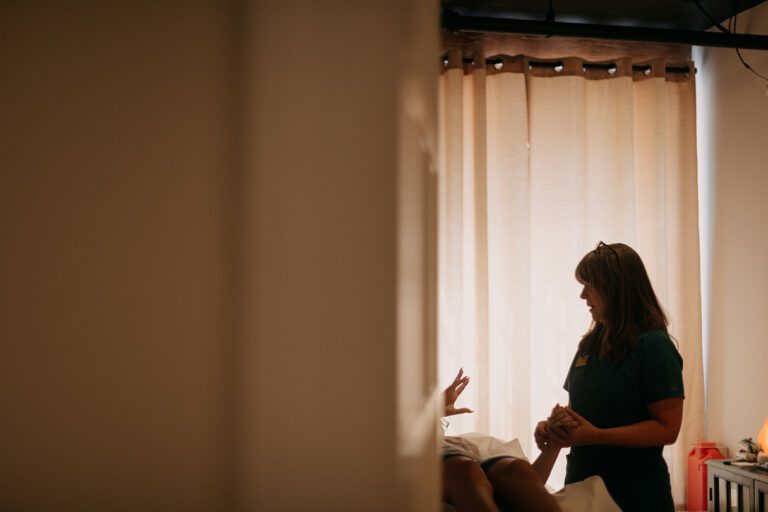
Your first step is a complimentary consultation, a free visit where we sit down together and I learn about what you’re going through. I want to understand your full digestive history, what you’ve already tried, your stress levels, and the complete picture. There’s no pressure and no commitment.
If we move forward, I’ll study your intake form before your first treatment visit and come prepared with targeted questions to clarify your diagnosis. At that first treatment, you’ll receive your initial acupuncture session and, if appropriate, your first herbal prescription. I’ll also give you a Symptom Tracker, a tool where you track changes in bowel frequency, stool quality, bloating, and related symptoms like sleep and stress that tell us whether treatment is moving in the right direction.
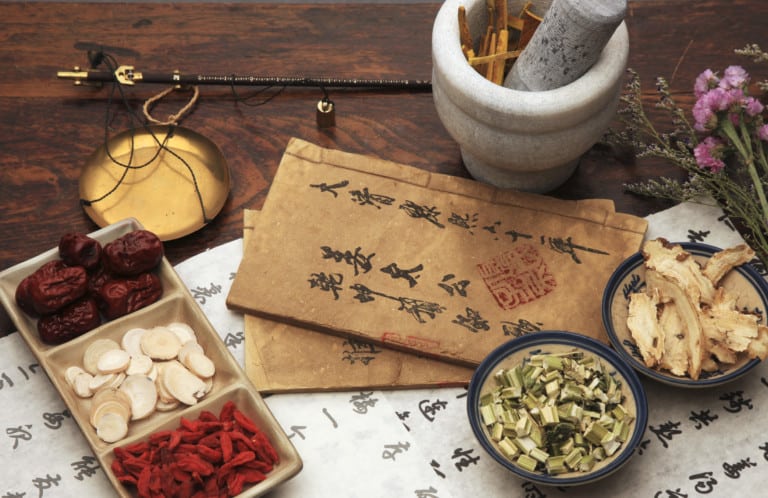
Most constipation patients benefit from a combination of acupuncture and Chinese herbal medicine. The acupuncture works on regulating the nervous system, restoring gut motility, resolving stagnation, and reducing inflammation. The herbs work from the inside to address the specific pattern driving your constipation, whether that’s Liver Qi Stagnation, Yin Deficiency, Spleen weakness, or any combination.
Acupuncture Works Alongside Your Current Treatment
If you’re currently taking laxatives, working with a gastroenterologist, or following a specific diet protocol, acupuncture can work right alongside those approaches. This isn’t an either/or situation. Many of my patients are doing both, and the combination often produces better results than either approach alone.
Acupuncture addresses dimensions of constipation that laxatives and fiber supplements don’t reach: the nervous system dysregulation, the stress-gut connection, the underlying depletion, and the inflammatory patterns that keep things stuck. By working on those root causes, acupuncture can help you move toward natural, unassisted bowel function over time.
Ready to Get to the Root of Your Constipation?
Constipation doesn’t have to be your normal. If you’re in Richmond, Virginia, whether you’re in the Fan District, Church Hill, Short Pump, Midlothian, or Glen Allen, I’d love to talk with you about what’s going on and whether acupuncture might help.
Your first consultation is free. Book online here or call us at (804) 234-3843.
Maegan Hodge, L.Ac., MSOM. Board Certified, NCCAOM/NCBAHM #137186. Master of Science in Oriental Medicine: National University of Natural Medicine. Bachelor of Arts in Psychology: University of Virginia. Treating patients in Richmond, VA since 2010. Centered: Richmond Acupuncture & Wellness. Last reviewed: May 2026.
Related Articles You May Find Helpful:
- Acupuncture and Bloating: 7 Root Causes and How We Treat Each One
- Acupuncture for IBS: Root Causes and How We Treat Each One
- Acupuncture for Stress: How Chinese Medicine Can Help
- Acupuncture for Depression: Why Chinese Medicine Looks at the Whole Picture
References:
Acupuncture influences multiple diseases by regulating gut microbiota (2024)
Acupuncture for functional constipation: a systematic review and meta-analysis (2020)
Acupuncture for constipation in elderly patients: a systematic review (2024)
Acupuncture and gut microbiota modulation in constipation (2023)