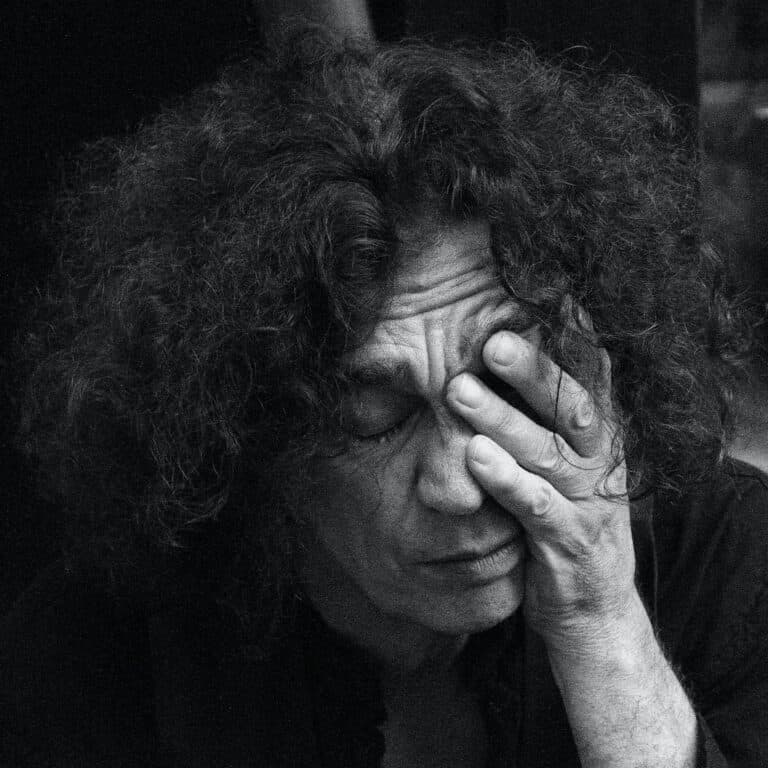

Acupuncture for Fibromyalgia: Why Your Whole Body Hurts and What We Do About It
If you’re living with fibromyalgia, I already know something about you: you’ve been told at least once that your symptoms aren’t real, that your labs look fine, or that you just need to manage your stress better. You’ve probably seen multiple doctors, tried multiple medications, and still feel like no one is looking at the full picture. That experience is incredibly frustrating, and it’s one I hear in my practice constantly.
As a licensed acupuncturist in Richmond, Virginia, I work with fibromyalgia patients who have been through the conventional medicine circuit and still don’t have answers that match their experience. That doesn’t mean conventional medicine failed. It means the root cause hasn’t been fully identified yet. And that’s exactly what Chinese medicine is designed to do.
In this article, I’ll walk you through what fibromyalgia actually involves beyond the diagnosis, the five patterns I see most often in my practice, what the research says about acupuncture for fibromyalgia, and what treatment looks like at Centered: Richmond Acupuncture.
Why Fibromyalgia Is More Than Just “Widespread Pain”
Fibromyalgia affects an estimated 10 million Americans, with women diagnosed at roughly twice the rate of men. The hallmark symptoms are widespread musculoskeletal pain, fatigue, and cognitive difficulties often called “fibro fog.” But if you have fibromyalgia, you know the symptom list goes far beyond that: sleep that never restores you, digestive issues, headaches, sensitivity to temperature and touch, depression, anxiety, and a body that feels like it’s betraying you in a different way every day.
Research increasingly points to central sensitization as a core mechanism: the nervous system itself becomes hypersensitive, amplifying pain signals and responding to normal stimuli as if they were threats. This isn’t imagined pain. It’s the nervous system stuck in overdrive. Recent research has also identified neuroinflammation, immune dysfunction, and gut microbiome disruption as contributing factors, all of which overlap with patterns Chinese medicine has been identifying and treating for centuries.
This is where Chinese medicine has a real advantage. Rather than treating fibromyalgia as a single diagnosis with a single protocol, I look at the underlying pattern driving your specific experience. Two fibromyalgia patients can walk into my clinic with the same diagnosis and need completely different treatments, because the root cause is different.
Five Patterns of Fibromyalgia I See Most Often
In Chinese medicine, fibromyalgia isn’t one condition. It’s a constellation of symptoms arising from specific imbalances, and those imbalances vary from person to person. Here are the five patterns I encounter most frequently at my practice in Richmond.
Qi and Blood Stagnation: The Circulation Pattern
This is one of the most common patterns I see in fibromyalgia patients, and it often overlaps with other patterns. In Chinese medicine, the classic principle is “where there is stagnation, there is pain.” When the circulation of Qi and Blood becomes impaired throughout the body, pain follows, and it can be widespread.
Patients with this pattern describe pain that is fixed in location or that moves in a predictable pattern. The pain often has an aching, heavy quality and worsens with prolonged inactivity. Stiffness is especially bad in the morning or after sitting for long periods. Cold weather tends to make everything worse. You might notice areas of your body that feel “knotted” or congested, and gentle movement often provides temporary relief.
What drives it: a history of physical injury or repetitive strain, prolonged sedentary lifestyle, exposure to cold and damp environments, emotional stress that creates chronic tension, and poor circulation from any cause.
One thing you can try now: Gentle, consistent movement is your most powerful tool. A 20-minute walk, gentle yoga, or swimming in a warm pool can start breaking the stagnation cycle. Avoid staying in any one position for more than 30 minutes. Heat therapy (warm baths, heating pads) can also help move stagnant blood and ease the aching quality of pain.
Liver Qi Stagnation: The Stress and Tension Pattern
If your fibromyalgia flares predictably with stress, this pattern is almost certainly involved. The Liver in Chinese medicine governs the smooth flow of Qi and emotions throughout the body. When chronic stress causes that flow to stagnate, it creates widespread tension, pain, and emotional volatility.
Patients with this pattern notice a clear connection between their stress levels and their pain levels. They carry tension in their neck, shoulders, and upper back. Jaw clenching and teeth grinding are common. The pain migrates rather than staying fixed, and it often comes with irritability, frustration, mood swings, and a feeling of being wound tight. Sleep is disrupted, digestion suffers, and headaches (especially tension headaches) are frequent companions.
What drives it: chronic emotional stress, suppressed frustration or anger, high-pressure work or family environments, lack of physical movement, and poor work-life boundaries.
One thing you can try now: Regular exercise is the single most effective thing for this pattern. Physical movement breaks the stagnation cycle in a way that rest alone cannot. Even a daily 20-minute walk outdoors can shift how tight and reactive your body feels. Also pay attention to where you’re holding tension throughout the day: are your shoulders up by your ears? Is your jaw clenched? Conscious relaxation of those areas takes pressure off your whole system.
If stress is a major driver for you, my article on acupuncture for stress goes deeper into the five patterns of chronic stress and how we treat each one.
Spleen Qi Deficiency with Dampness: The Fatigue and Heaviness Pattern
This is the pattern behind the crushing fatigue and heavy, waterlogged feeling that so many fibromyalgia patients describe. In Chinese medicine, the Spleen transforms food into usable nourishment. When Spleen Qi is deficient, the body can’t properly process and distribute nutrients, and pathological dampness accumulates. That dampness settles into muscles and joints, creating a heavy, achy, swollen quality of pain that feels distinctly different from the sharp or tight pain of other patterns.
Patients with this pattern are exhausted in a way that sleep doesn’t fix. Their pain feels heavy and dull rather than sharp. They experience significant brain fog, poor concentration, bloating and digestive issues (roughly 70% of fibromyalgia patients also have GI symptoms), loose stools, water retention, and a general sense of sluggishness. Humid weather makes everything worse. They may have been diagnosed with IBS alongside their fibromyalgia.
What drives it: years of poor dietary habits, excessive consumption of cold, raw, or processed foods, chronic worry and overthinking (which further drains Spleen Qi), sedentary lifestyle, overuse of antibiotics, and prolonged illness that has depleted digestive capacity.
One thing you can try now: Shift to warm, cooked, easy-to-digest meals. Cut cold drinks, raw salads, excessive dairy, and sugar for two weeks and see if the heaviness shifts. Soups, stews, roasted vegetables, and rice are what your Spleen needs right now. Chinese herbal medicine is especially powerful for this pattern because it works between acupuncture sessions to strengthen digestion and clear the accumulated dampness that’s weighing you down.
If digestive issues are a significant part of your fibromyalgia picture, my articles on acupuncture for IBS and acupuncture and bloating may also be helpful.
Kidney and Liver Yin Deficiency: The Deep Depletion Pattern
This pattern shows up in fibromyalgia patients who have been dealing with chronic pain and disrupted sleep for years. The body’s cooling, moistening, nourishing reserves (Yin) have been depleted over time, leaving the system running hot and dry with nothing to anchor it. It’s the fibromyalgia of deep, prolonged depletion.
Patients with this pattern describe a bone-deep ache that coexists with a burning or hot quality in certain areas. They run warm, especially in the afternoon and evening. Night sweats are common. Sleep is restless with vivid or disturbing dreams. They feel wired but exhausted simultaneously. Dry skin, dry eyes, thinning hair, low back weakness, and poor memory are frequent companions. Women often notice this pattern intensifying during perimenopause or menopause, when Yin naturally declines.
What drives it: years of chronic illness and disrupted sleep, aging, hormonal changes (menopause is a major trigger), prolonged use of medications that may deplete the body over time, overwork without adequate rest, and a constitution that tends toward dryness and heat.
One thing you can try now: Prioritize sleep and hydration above almost everything else. Get to bed before 11 PM. Reduce exercise intensity if you’re already exhausted, because pushing through depletion makes this pattern worse. Focus on nourishing, moistening foods: bone broth, soups, healthy fats, dark berries, black sesame seeds, and plenty of non-caffeinated fluids. Avoid coffee, alcohol, and excessively spicy food, which all further deplete Yin.
Wei Qi Deficiency: The Immune Dysfunction Pattern
This pattern addresses the immune component of fibromyalgia that research has increasingly identified. In Chinese medicine, Wei Qi is the body’s defensive Qi, similar to what Western medicine calls immune function. When Wei Qi is deficient, the body’s barriers are weakened, making you vulnerable to environmental triggers and unable to properly regulate inflammation.
Patients with this pattern catch every cold that goes around. They feel like they’re always fighting something off, with that flu-like malaise and body ache that’s so characteristic of fibromyalgia. Their pain and fatigue worsen with weather changes, seasonal shifts, or after being around sick people. They may have a history of frequent infections or an illness that seemed to trigger their fibromyalgia in the first place. The pain often has an achy, whole-body quality similar to how you feel when you’re coming down with the flu.
What drives it: a history of severe or prolonged illness, chronic stress depleting immune resources, constitutional weakness, poor nutrition, and inadequate sleep (which is when the body does its most critical immune repair work).
One thing you can try now: Guard your sleep and your boundaries. Your immune system does its most important work between 10 PM and 2 AM, so getting to bed early is therapeutic, not indulgent. Avoid overcommitting, because every demand on your system is a demand on your already-strained Wei Qi. Warm, nourishing foods and gentle exercise support immune function without depleting your reserves further.
What the Research Says About Acupuncture for Fibromyalgia
The evidence for acupuncture for fibromyalgia has grown substantially, with multiple systematic reviews and umbrella reviews examining its effectiveness.
A 2025 overview of systematic reviews and meta-analyses published in Frontiers in Medicine evaluated thirteen published systematic reviews on acupuncture for fibromyalgia. The analysis found that acupuncture therapy was superior to both sham acupuncture and standard pharmacological treatments for reducing pain and improving overall fibromyalgia symptoms.
A 2025 meta-analysis examining the efficacy of acupuncture specifically for fibromyalgia syndrome confirmed that acupuncture produced significant improvements in pain scores and quality of life compared to control groups.
A 2024 network meta-analysis evaluating complementary and alternative medicine approaches for fibromyalgia found that acupuncture was among the most effective interventions, particularly for pain reduction and functional improvement.
On the mechanism side, a 2024 study published in Biomedicines demonstrated that electroacupuncture reduces fibromyalgia pain through neuronal and microglial inactivation in the brain, specifically modulating Toll-like receptor 4 (TLR4) pathways involved in neuroinflammation. This provides a biological explanation for how acupuncture addresses central sensitization, the nervous system hypersensitivity at the core of fibromyalgia.
A 2024 study on electroacupuncture found that treatment reduced fibromyalgia pain by inactivating TRPV1 receptors and reducing inflammatory markers including IL-17, IL-6, and TNF-alpha, further supporting acupuncture’s role in calming the overactive inflammatory and pain-signaling pathways characteristic of fibromyalgia.
The bottom line: acupuncture for fibromyalgia isn’t just symptom management. It works on the central sensitization, neuroinflammation, and immune dysfunction that drive the condition. The research confirms what my patients experience: when we address the root pattern, the whole symptom picture improves.
A Patient’s Story: How Acupuncture Changed Jennifer’s Fibromyalgia
At 47, Jennifer had been living with fibromyalgia for nine years. She’d been through the full circuit: rheumatologist, pain management, physical therapy, three different medications including Lyrica and Cymbalta. Some things took the edge off, but nothing addressed the full picture. She still woke every morning feeling like she hadn’t slept. The heavy, achy pain in her shoulders, hips, and legs was a constant companion. Brain fog made her work as an office manager increasingly difficult. And the digestive issues that came alongside her fibromyalgia, bloating, irregular bowels, and food sensitivities, had never been connected to her pain by any of her previous providers.
When Jennifer came to Centered: Richmond Acupuncture, her intake painted a layered picture: Spleen Qi Deficiency with Dampness was the primary driver (explaining the heavy pain quality, the fatigue, the brain fog, and the digestive dysfunction), compounded by Qi and Blood Stagnation from years of reduced activity, and early signs of Yin Deficiency from nearly a decade of disrupted sleep.
Together, we created a treatment plan combining acupuncture twice weekly for the first six weeks (then weekly), a personalized Chinese herbal formula targeting the Spleen deficiency and clearing dampness while gently moving stagnation, and practical dietary changes focused on warm, cooked foods and eliminating the cold, raw foods that were making her dampness worse.
The first thing Jennifer noticed was her sleep. Within three weeks, she was sleeping deeper and waking less throughout the night. The brain fog started lifting next. By month two, her digestive symptoms had improved significantly, which surprised her because she hadn’t come to me for her gut. But in Chinese medicine, the gut was central to her entire pattern. As her digestion strengthened, her pain quality shifted from heavy and waterlogged to more manageable and intermittent.
After five months of treatment, Jennifer described her fibromyalgia as “quieter than it’s been in years.” Her pain levels dropped from a daily 6-7 to an average of 2-3, with flares that resolved quickly instead of lasting days. She reduced one of her medications with her doctor’s guidance. She told me the thing that surprised her most was getting her mind back, that the brain fog clearing changed her daily life more than the pain reduction did.
What Treatment Looks Like at Centered: Richmond Acupuncture
If you’re considering acupuncture for fibromyalgia, here’s what to expect.
Your first step is a complimentary consultation, a free visit where we sit down together and I learn about what you’re going through. I want to understand your full symptom picture, your history, what makes things better and worse, what you’ve tried, and where conventional medicine has fallen short. There’s no pressure and no commitment.
If we move forward, I’ll study your intake form before your first treatment visit and come prepared with targeted questions to clarify your diagnosis. At that first treatment, you’ll receive your initial acupuncture session and, if appropriate, your first herbal prescription. I’ll also give you a Symptom Tracker, a tool where you track changes in pain levels, sleep quality, fatigue, brain fog, and digestive symptoms that tell us whether treatment is moving in the right direction.
Most fibromyalgia patients benefit from a combination of acupuncture and Chinese herbal medicine. The acupuncture works on calming central sensitization, reducing inflammation, improving circulation, and resetting the nervous system. The herbs work between sessions to address the specific pattern driving your symptoms: clearing dampness, strengthening the Spleen, nourishing depleted Yin, or rebuilding Wei Qi.
Acupuncture Works Alongside Your Current Treatment
If you’re currently taking Lyrica, Cymbalta, or other fibromyalgia medications, seeing a rheumatologist, or doing physical therapy, acupuncture can work right alongside those treatments. This isn’t an either/or situation. Many of my patients are doing both, and the combination often produces better results than either approach alone.
Acupuncture addresses dimensions of fibromyalgia that medication may not fully reach: the gut dysfunction, the immune dysregulation, the nervous system sensitivity, and the specific Chinese medicine patterns that keep the cycle going. By working on those root causes, acupuncture can enhance what your other treatments are already doing and, in some cases, help patients work with their doctors to reduce medication over time.
Ready to Get to the Root of Your Fibromyalgia?
Fibromyalgia doesn’t have to define your life. If you’re in Richmond, Virginia, whether you’re in the Fan District, Church Hill, Short Pump, Midlothian, or Glen Allen, I’d love to talk with you about what’s going on and whether acupuncture might help.
Your first consultation is free. Book online here or call us at (804) 234-3843.
Maegan Hodge, L.Ac., MSOM. Board Certified, NCCAOM/NCBAHM #137186. Master of Science in Oriental Medicine: National University of Natural Medicine. Bachelor of Arts in Psychology: University of Virginia. Treating patients in Richmond, VA since 2010. Centered: Richmond Acupuncture & Wellness. Last reviewed: May 2026.
Related Articles You May Find Helpful:
- Acupuncture for Stress: 5 Patterns Behind Chronic Stress
- Acupuncture for Back Pain: 5 Root Causes and How We Treat Each One
- Acupuncture for Depression: Why Chinese Medicine Looks at the Whole Picture
- Acupuncture for IBS: 5 Root Causes and How We Treat Each One
References:
Electroacupuncture reduced fibromyalgia pain through inactivating TRPV1 and IL-17 (2024)
Acupuncture for fibromyalgia syndrome: an overview of systematic reviews and meta-analyses (2025)