Can Acupuncture Help With Anxiety?
Yes — and often more effectively than people expect. Looking for acupuncture for anxiety is one of the most common reasons patients walk through our doors, and it responds remarkably well to acupuncture and Chinese herbal medicine. But here’s what most people don’t realize: not all anxiety is the same.
If you’ve tried therapy, medication, meditation apps, breathing exercises, and still feel like something isn’t clicking — it may not be that those tools don’t work. It may be that they’re not addressing the specific type of anxiety your body is producing.
Where conventional medicine often treats anxiety as a single diagnosis — maybe with an SSRI, a benzodiazepine, or a referral to talk therapy — Chinese medicine recognizes that anxiety can arise from at least six different root causes. A person whose anxiety comes from chronic stress and emotional tension needs a completely different treatment approach than someone whose anxiety is driven by gut inflammation or nutritional depletion.
That’s why a one-size-fits-all approach so often falls short, and it’s why so many people feel like they’ve “tried everything” for their anxiety without lasting relief. The issue isn’t that you can’t be helped — it’s that the root cause hasn’t been properly identified.
Below, we walk through the six primary patterns of anxiety that Chinese medicine recognizes, with symptoms and a practical tip for each. If you’ve been struggling with anxiety and want a personalized, root-cause approach, we’d love to help.
The 6 Types of Anxiety in Chinese Medicine
One of the most powerful things about Chinese medicine’s approach to anxiety is that it doesn’t just ask “are you anxious?” — it asks “why is your body producing anxiety?” The answer to that question changes everything about how we treat it.
If you deal with anxiety, read through the patterns below and see which one resonates. You might recognize yourself in one pattern clearly, or you might see pieces of yourself in two or three — that’s completely normal, and a skilled practitioner can help untangle the layers.
1. Liver Qi Stagnation
This is the “stress and tension” anxiety.
If your anxiety tends to show up alongside frustration, irritability, or feeling emotionally wound up, this pattern is likely playing a role. It’s the most common pattern we see, and it’s deeply tied to how you process (or suppress) stress and emotions.
Common symptoms:
Tightness in the chest or ribcage, jaw clenching or TMJ, tension headaches, neck and shoulder tightness, sighing frequently, mood swings, irritability, and a feeling like you might snap at any moment. Digestion often suffers too — you might notice stomach upset, bloating, or irregular bowels that get worse when you’re stressed.
Lifestyle contributors:
Overwork without adequate rest, repressed emotions (especially frustration or resentment), not enough physical movement, excessive screen time, and poor work-life boundaries. This is the pattern we see in people who push through stress rather than processing it.
One thing you can do:
Move your body — regularly. This is not optional for this pattern. Liver Qi Stagnation responds incredibly well to physical exercise, especially anything rhythmic and sustained like walking, running, swimming, or cycling. Even 20 minutes a day can make a noticeable difference in how “stuck” you feel emotionally.
2. Heart Blood Deficiency
This is the “restless and unsettled” anxiety.
In Chinese medicine, the Heart houses the mind and spirit. When Heart Blood is depleted, there’s not enough nourishment to anchor your mind, and it starts to wander and race. This pattern often feels less like panic and more like a persistent restlessness — an inability to feel calm or settled, even when nothing is actively wrong.
Common symptoms:
Difficulty falling asleep or staying asleep, vivid or disturbing dreams, poor memory or concentration, heart palpitations (especially at night or when resting), startling easily, a pale complexion, and feeling generally “ungrounded.” You might describe it as your mind having no off switch.
Lifestyle contributors:
Not eating enough (especially skipping meals or chronic undereating), heavy menstrual periods or a history of blood loss, long-term stress that has depleted your reserves, excessive mental work without physical nourishment, and poor diet lacking iron-rich or blood-building foods.
One thing you can do:
Focus on deeply nourishing food. This pattern needs nutrient-dense, cooked meals — think bone broth, dark leafy greens, beets, black beans, eggs, and red meat if you eat it. Avoid skipping meals, and especially avoid replacing meals with coffee. Your body needs fuel to build blood, and your mind needs blood to feel calm.
3. Spleen Qi Deficiency
This is the “overthinking and worry” anxiety.
The Spleen in Chinese medicine is responsible for transforming food into energy and for housing our capacity for clear, focused thought. When Spleen Qi is weak, the mind gets stuck in loops — repetitive worry, obsessive thinking, going over the same problem again and again without resolution.
Common symptoms:
Chronic worry or rumination, mental fatigue, brain fog, poor appetite or bloating after eating, loose stools, fatigue (especially after meals), bruising easily, and a heavy feeling in the limbs. You might notice that your anxiety feels worse when you’re tired or hungry, and that it’s accompanied by a general sense of low energy rather than nervous energy.
Lifestyle contributors:
Irregular eating habits, eating while distracted or on the go, excessive consumption of cold or raw foods, overthinking and mental overwork (studying, constant screen use), sedentary lifestyle, and chronic worry itself — which further weakens the Spleen in a vicious cycle.
One thing you can do:
Eat warm, cooked, easy-to-digest meals at regular times. This sounds deceptively simple, but it’s foundational. Sit down to eat without screens. Chew thoroughly. Favor soups, stews, roasted vegetables, rice, and sweet potatoes over salads, smoothies, and cold foods. When your digestion strengthens, your mental clarity and emotional resilience follow.
4. Heart Fire / Phlegm-Fire
This is the “agitated, racing mind” anxiety.
This pattern produces a more intense, heated quality of anxiety. The mind races and you feel restless, agitated, and sometimes like you’re going to crawl out of your skin. There can be a manic edge to it — difficulty sitting still, rapid speech, or feeling like your thoughts are moving faster than you can keep up with.
Common symptoms:
Severe restlessness or agitation, a feeling of heat in the chest or face, insomnia (especially waking between 1-3 AM), vivid or disturbing dreams, mouth ulcers or a red-tipped tongue, thirst, heart palpitations, and in some cases scattered or confused thinking. If phlegm is involved, there may also be a sensation of something stuck in the throat, nausea, or a feeling of heaviness and mental fog alongside the agitation.
Lifestyle contributors:
Excessive consumption of spicy, rich, or greasy foods, alcohol, recreational stimulants, chronic emotional intensity or unresolved anger, burning the candle at both ends for too long, and sometimes the buildup of phlegm from poor dietary habits over time combining with heat from stress.
One thing you can do:
Cut back on stimulants and heating substances. This means reducing or eliminating alcohol, caffeine, spicy food, and sugar — at least temporarily. These all add fuel to the fire. Favor cooling, calming foods like cucumber, pear, watermelon, mung beans, and green tea (in moderation). Your nervous system needs less fuel on the fire, not more.
5. Yin Deficiency with Empty Heat
This is the “wired but exhausted” anxiety.
This pattern is what happens when your body’s cooling, calming, nourishing reserves (Yin) have been depleted over time, leaving your system running hot and dry with nothing to anchor it. You feel tired to your core but simultaneously wired, restless, and unable to relax. It’s the anxiety of burnout.
Common symptoms:
Feeling tired but unable to rest, night sweats or hot flashes (especially in the evening), dry mouth or throat (worse at night), afternoon or evening anxiety that’s worse than morning, tinnitus or ringing in the ears, lower back aching or weakness, flushed cheeks, and a sensation of heat in the palms and soles of the feet. Sleep is often disrupted — you might fall asleep okay but wake in the early hours feeling hot and restless.
Lifestyle contributors:
Years of overwork, chronic sleep deprivation, burning the candle at both ends, going through menopause or perimenopause, chronic illness that has depleted reserves, excessive exercise without adequate recovery, and long-term stress without restoration.
One thing you can do:
Prioritize rest and restoration — and I mean genuinely. Not “rest” while scrolling your phone, but actual nourishing downtime. This pattern has been building for a long time and it needs consistent recovery. Go to bed earlier. Reduce your commitments where possible. Eat hydrating, nourishing foods like soups, stews, healthy fats, and plenty of cooked vegetables. Your body needs to rebuild reserves that have been depleted over months or years.
6. Gut-Driven Anxiety: Damp Heat and Cold in the Digestive System
This is the “my gut is making me anxious” pattern.
This is one of the most underrecognized causes of anxiety, and it’s one we see frequently in our clinic. Modern science is catching up to what Chinese medicine has understood for centuries: the health of your gut profoundly affects your mental and emotional state. When there is chronic inflammation in the digestive system — whether from damp heat, cold accumulation, or both — it can directly drive neuroinflammation and anxiety through the gut-brain axis.
Common symptoms:
Anxiety that seems to have no obvious emotional trigger, digestive problems like bloating, irregular stools, cramping, or IBS-type symptoms, brain fog, fatigue after eating, food sensitivities, and a feeling that your anxiety is somehow “physical” rather than situational — like it lives in your body more than your thoughts.
Lifestyle contributors:
Chronic consumption of inflammatory foods (processed food, excess sugar, alcohol, dairy for some people), food sensitivities that haven’t been identified, history of antibiotics or gut infections, eating too many cold or raw foods (which can create cold accumulation and impair digestive function), chronic stress (which directly impairs gut motility and increases intestinal permeability), and poor dietary habits over a long period.
One thing you can do:
Start paying close attention to the connection between what you eat and how you feel emotionally. Keep a simple food-mood journal for two weeks. Note what you eat and how your anxiety levels feel 1-2 hours later and the next morning. Many patients are surprised to find clear patterns — certain foods reliably trigger more anxiety. Common culprits include sugar, dairy, alcohol, and highly processed foods. Cleaning up your diet can produce noticeable anxiety relief within just a few weeks.
How Does Acupuncture Actually Help Anxiety?
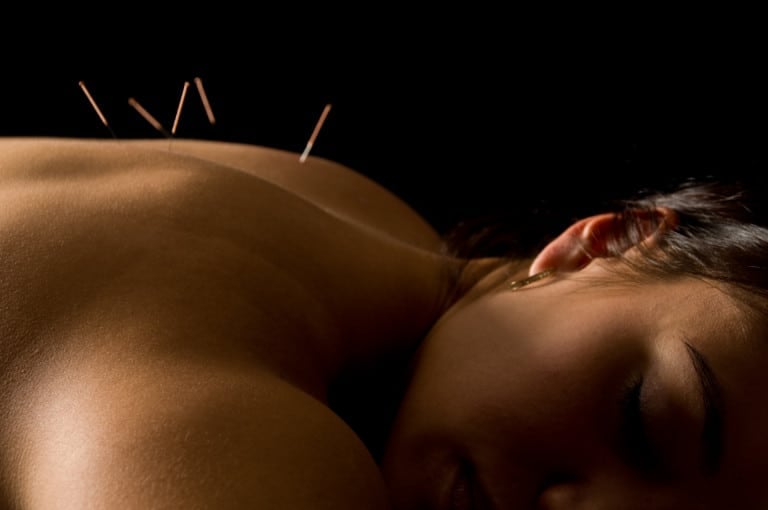
If you’re new to acupuncture, you might wonder how tiny needles could possibly affect something as complex as anxiety. Here’s what we know:
It calms your nervous system. Acupuncture has been shown to shift the body from a sympathetic (fight-or-flight) state into a parasympathetic (rest-and-digest) state. For someone whose nervous system has been running in overdrive — sometimes for months or years — this reset can feel profound. Many patients describe a deep sense of calm during and after treatment that they haven’t felt in a long time.
It addresses the physical drivers. Unlike talk therapy, which works from the mind down, acupuncture works from the body up. If your anxiety is being driven by gut inflammation, hormonal imbalance, chronic pain, or nervous system dysregulation, acupuncture can address those physical underpinnings directly. When the physical driver resolves, the anxiety often resolves with it.
It’s supported by research. Studies have shown that acupuncture can be effective for anxiety, with some research suggesting it may help improve the effectiveness of anti-anxiety medications while reducing their side effects. While more research is always needed, the clinical evidence — and what we see in our clinic every day — is promising.
It treats YOUR specific pattern. This is the key advantage of the Chinese medicine approach. Rather than offering the same treatment to every anxious person, we identify your specific root cause and tailor the acupuncture points, herbal formulas, and lifestyle recommendations accordingly. Two patients who both come in with “anxiety” may receive very different treatments — because their anxiety has different origins.
What Does Treatment Look Like?
If you’re considering acupuncture for anxiety, here’s what you can expect at our clinic:
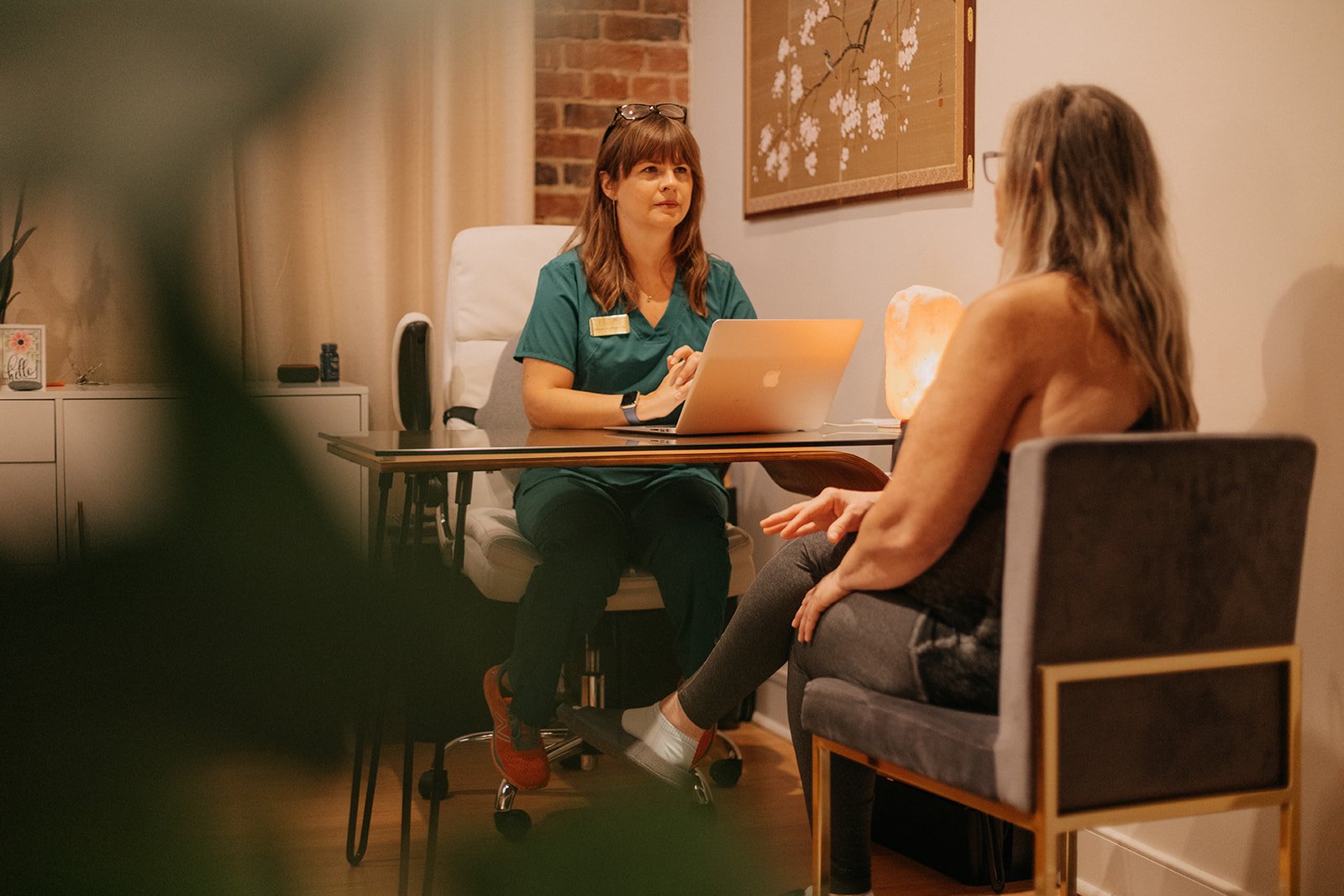
Your first visit starts with a thorough consultation. We’ll talk about your anxiety — when it started, what it feels like, what makes it better or worse — but we’ll also ask about your sleep, digestion, energy, menstrual cycle (if applicable), stress levels, and overall health history. In Chinese medicine, all of these pieces connect. This is how we identify which of the patterns above is driving your anxiety.
Treatment frequency depends on severity. For most anxiety patients, we recommend starting with weekly sessions for the first 4-6 weeks. Many patients notice meaningful shifts within the first few treatments — better sleep, feeling calmer, fewer racing thoughts. As your symptoms improve, we space treatments further apart.
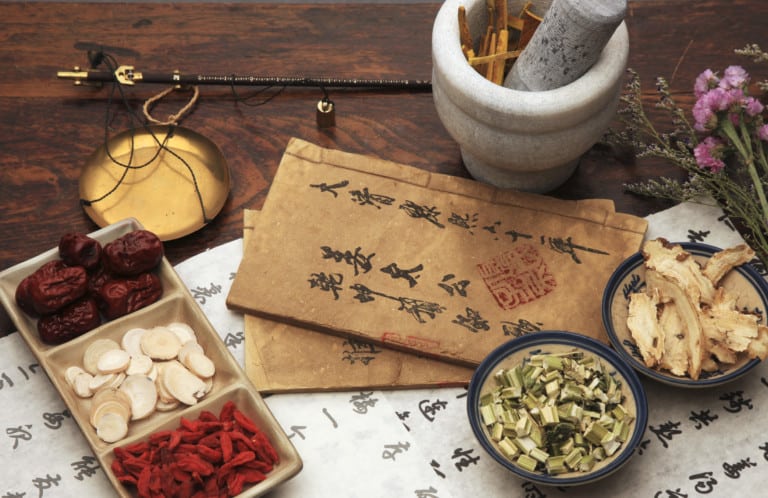
Herbal medicine is often a powerful complement to acupuncture for anxiety. While acupuncture works during and after your session, Chinese herbal formulas work around the clock to support your body’s rebalancing process. We customize herbal prescriptions to your specific pattern.
It’s not just needles. We’ll also provide personalized lifestyle and dietary recommendations based on your pattern. Sometimes small changes — like adjusting when and what you eat, adding specific movement, or changing a sleep habit — can significantly accelerate your progress.
Acupuncture for Anxiety in Richmond, VA
If anxiety has been running your life and you’re ready for a different approach — one that gets to the root cause instead of just managing symptoms — acupuncture and Chinese medicine may be exactly what you need.
At Centered: Richmond Acupuncture & Wellness, we specialize in identifying the specific pattern behind your anxiety so we can treat it at its foundation. Whether your anxiety is driven by stress, gut health, depletion, or something else entirely, we create a personalized treatment plan that addresses what’s actually going on in your body.
Maegan Hodge, L.Ac. has helped hundreds of patients in the Richmond area find lasting relief from anxiety, often after years of struggling with conventional approaches alone.
Ready to feel like yourself again? Schedule your consultation → or contact us with any questions. We’re located in Richmond, VA and welcome new patients.
Maegan Hodge, L.Ac., MSOM. Board Certified, NCCAOM/NCBAHM #137186. Master of Science in Oriental Medicine: National University of Natural Medicine. Bachelor of Arts in Psychology: University of Virginia. Treating patients in Richmond, VA since 2010. Centered: Richmond Acupuncture & Wellness. Last reviewed: May 2026.
You might also want to read: