
Acupuncture for Stress: What *Your* Nervous System Is Actually Asking For
If stress has become your default setting, not something that comes and goes but the background noise of your entire life, I want you to know something: your body is keeping score. The tight shoulders you can’t unclench. The sleep that never quite restores you. The digestion that fell apart somewhere along the way. The feeling that you’re running on fumes but can’t stop running.
As a licensed acupuncturist in Richmond, Virginia, I work with patients who are living in chronic stress every single day. Most of them have tried the standard advice: deep breathing, meditation apps, exercise, better sleep hygiene. And while those tools have value, they often aren’t enough when stress has been running your nervous system for months or years. That’s because chronic stress isn’t just a mental state. It’s a physiological condition, and it requires treatment that reaches the body, not just the mind.
In this article, I’ll walk you through what chronic stress actually does to your body, the five patterns of stress I see most often in my practice, what the research says about acupuncture for stress, and what treatment looks like at Centered: Richmond Acupuncture.
What Chronic Stress Actually Does to Your Body
Everyone experiences stress. Short bursts of it are normal and even useful. The problem starts when your nervous system gets stuck in sympathetic mode, the fight-or-flight response, and can’t find its way back to parasympathetic mode, the rest-and-digest state where healing, digestion, and recovery happen.
When that switch stays flipped for weeks or months, the cascade is predictable and well-documented: elevated cortisol disrupts sleep, impairs digestion, weakens immune function, drives inflammation, and dysregulates your hormones. Your hypothalamic-pituitary-adrenal (HPA) axis, the body’s central stress response system, loses its ability to regulate itself properly. A 2024 review in the Journal of Integrative Medicine examined how chronic HPA axis dysregulation underlies many of the conditions that bring patients into my clinic: insomnia, digestive dysfunction, hormonal imbalance, chronic pain, and anxiety.
This is what separates everyday stress from chronic stress. Everyday stress resolves. Chronic stress rewires your nervous system so that the alarm bell never fully turns off, even when the threat is gone. Your body adapts to operating in crisis mode, and that adaptation comes at a cost.
This is exactly where Chinese medicine has an edge. Rather than treating stress as a single experience with a single solution, we identify the specific pattern of damage stress has created in your body. Two patients can walk into my clinic both saying “I’m completely stressed out,” and I might treat them in completely different ways, because the root cause is different.
Five Patterns of Chronic Stress I See Most Often
In Chinese medicine, stress isn’t one condition. It’s a trigger that creates different patterns of imbalance depending on your constitution, your lifestyle, and how long you’ve been under pressure. Here are the five patterns I encounter most frequently at my practice in Richmond.
Liver Qi Stagnation: The Tension Pattern
This is the most common stress pattern I see, and it’s the one most people recognize immediately. In Chinese medicine, the Liver is responsible for the smooth flow of Qi and emotions throughout the body. When you’re under chronic stress, that flow gets stuck. Everything tightens.
Patients with this pattern carry tension like armor. Their shoulders live up by their ears. They clench their jaw at night, sometimes hard enough to crack teeth. They feel a tightness in their chest or ribcage, sigh frequently, and oscillate between irritability and emotional flatness. Headaches are common, often at the temples or behind the eyes. Digestion may suffer too, with bloating and irregular bowel movements that worsen during stressful weeks.
What drives it: overwork without adequate rest, emotional suppression (especially frustration and resentment), lack of physical movement, poor work-life boundaries, and the feeling of being stuck in circumstances you can’t control.
One thing you can try now: Move your body. This is not optional for this pattern. Walk, run, swim, do yoga, anything that gets things flowing again. Liver Qi Stagnation responds to movement because movement is exactly what breaks the stagnation cycle. Even 20 minutes a day can make a noticeable difference in how wound up you feel.
If you’re noticing anxiety alongside your stress, my article on acupuncture for anxiety goes deeper into the Liver Qi Stagnation pattern and five other root causes of anxiety.
Spleen Qi Deficiency: The Burnout Pattern
This is what happens when stress has been draining you for so long that your body simply doesn’t have the resources to keep up. In Chinese medicine, the Spleen is responsible for transforming food into usable nourishment and for supporting clear, focused thinking. Chronic stress burns through Spleen Qi like an engine running without oil.
Patients with this pattern aren’t wound up. They’re depleted. They describe fatigue that sleep doesn’t fix, brain fog that makes simple decisions feel overwhelming, poor appetite or bloating after every meal, loose stools, bruising easily, and a heaviness in their limbs that makes everything feel like wading through mud. They worry constantly, but it’s a low-grade, circular worry rather than acute panic. Small tasks that used to be manageable now feel insurmountable.
What drives it: prolonged periods of overwork, chronic worry and overthinking (which further drains the Spleen in a vicious cycle), irregular eating habits, eating at your desk or on the go, a diet heavy in cold and raw foods, and pushing through exhaustion instead of resting.
One thing you can try now: Eat warm, cooked meals at regular times. Sit down to eat without screens. This sounds deceptively simple, but it’s foundational. Your Spleen needs consistent, warm, easy-to-digest nourishment to rebuild what stress has burned through. Soups, stews, roasted vegetables, and rice are your friends right now. Chinese herbal medicine is especially powerful for this pattern because it works between sessions to rebuild what’s been depleted.
Liver Fire Rising: The Anger and Heat Pattern
This pattern develops when Liver Qi Stagnation goes on long enough that it generates internal heat. The stuck Qi transforms into fire, and fire rises. Patients with this pattern aren’t just tense. They’re volatile.
The signs are unmistakable: a short temper that surprises even you, headaches that feel hot and pounding (often at the top of the head or temples), red eyes, a flushed face during stress, a bitter taste in the mouth, difficulty falling asleep because the mind is racing with agitation rather than worry, and sometimes tinnitus or ringing in the ears. You might notice that alcohol, spicy food, or caffeine make everything worse.
What drives it: prolonged unresolved frustration or anger, high-pressure environments where you can’t express what you’re actually feeling, too much alcohol or stimulating food, sleep deprivation (which prevents the body from clearing heat overnight), and the cumulative effect of months or years of Liver Qi Stagnation that was never addressed.
One thing you can try now: Cut back on alcohol, caffeine, and spicy food for two weeks and notice what shifts. These all add fuel to the fire. Favor cooling, calming activities: walks in nature, time near water, and anything that genuinely brings your temperature down. If you’re waking between 1 and 3 AM, that’s the Liver’s peak time on the Chinese medicine organ clock, and it’s a strong clue this pattern is involved.
Heart and Kidney Depletion: The Deep Exhaustion Pattern
This pattern shows up in patients who have been running on stress for years, not months. The body’s deepest reserves have been tapped out. In Chinese medicine, the Kidneys store your constitutional vitality, and the Heart houses your Shen, your spirit, consciousness, and emotional center. When chronic stress depletes both, you feel it at every level.
Patients with this pattern describe a bone-deep tiredness that coexists with an inability to rest. They’re exhausted but wired. Sleep is disrupted: they either can’t fall asleep, wake repeatedly through the night, or have vivid, disturbing dreams that leave them unrefreshed. They may notice low back pain, weak knees, night sweats or hot flashes, poor memory, heart palpitations, and a feeling of being untethered from themselves, as if they’re going through the motions but not fully present.
What drives it: years of overwork without adequate recovery, chronic illness, significant emotional loss or grief, hormonal shifts (perimenopause and menopause are common triggers), and the cumulative toll of never allowing the body to fully rest and rebuild.
One thing you can try now: Prioritize sleep above almost everything else. Get to bed before 11 PM. Reduce exercise intensity if you’re already exhausted, because pushing through depletion makes this pattern worse. Focus on nourishing foods: bone broth, dark leafy greens, walnuts, black beans, and healthy fats. Your body needs to rebuild reserves that have been spent over years.
If sleep disruption is a major part of your picture, my article on acupuncture for insomnia goes deeper into how we treat the specific patterns that keep you awake.
Liver Overacting on the Spleen: The Stress-to-Gut Pipeline
This pattern is what happens when the tension of Liver Qi Stagnation starts attacking your digestive system. It’s the stress-to-gut pipeline, and it’s incredibly common. In Chinese medicine, when the Liver system gets overburdened by stress, it “invades” the Spleen, disrupting your digestion and creating a cascade of symptoms that seem unrelated to stress but are directly caused by it.
Patients with this pattern have a clear story: stress hit, and then their digestion fell apart. They experience alternating constipation and diarrhea, cramping and bloating that worsens during stressful periods, loss of appetite or stress eating, excessive belching, gurgling stomach, and a general sense of their gut being out of control. Fatigue, worry, and irritability are all present. They might have been diagnosed with IBS, and their symptoms track perfectly with their stress levels.
What drives it: the combination of chronic emotional stress and poor eating habits. Eating too fast, eating at irregular times, eating while working or arguing, skipping meals during busy periods, and relying on caffeine and sugar to get through the day all weaken the Spleen while the Liver stagnation attacks it.
One thing you can try now: Eat in a calm environment at consistent times. Slow down. Your gut literally cannot function properly when your nervous system is in fight-or-flight mode. It needs you to be in rest-and-digest mode to do its job. Even five minutes of sitting quietly before a meal can shift the nervous system enough to improve digestion.
If digestive issues are a significant part of your stress picture, you may find my articles on acupuncture for IBS and acupuncture and bloating helpful. The overlap between stress and gut dysfunction is much bigger than most people realize.
What the Research Says About Acupuncture for Stress
The evidence for acupuncture’s effects on the stress response has grown substantially, with research increasingly explaining the biological mechanisms behind what patients experience on the treatment table.
A 2025 meta-analysis in Frontiers in Neuroscience analyzing randomized controlled trials on acupuncture and autonomic nervous system function confirmed that acupuncture significantly modulates the autonomic nervous system, shifting the body from sympathetic (fight-or-flight) dominance toward parasympathetic (rest-and-digest) activation. This is the fundamental mechanism behind acupuncture’s stress-relieving effects.
A systematic review and meta-analysis examining heart rate variability (HRV), one of the most reliable biomarkers of nervous system regulation, found that acupuncture significantly increases parasympathetic tone compared to sham acupuncture. HRV is a direct measure of how well your nervous system can shift between stress and recovery states, and improved HRV means better stress resilience.
On the hormonal side, a 2024 review in the Journal of Integrative Medicine examined how acupuncture regulates the hypothalamic-pituitary-adrenal (HPA) axis, the body’s central stress response system. The findings showed that acupuncture modulates neurotransmitters, neuropeptides, and their receptors in the brain regions that control the stress response, helping to calm an overactive HPA axis and normalize cortisol patterns.
A randomized controlled trial published in PLOS ONE specifically studying acupuncture in adults with elevated stress levels found that verum acupuncture reduced perceived stress scores compared to both sham acupuncture and a waiting control group, with improvements in stress perception and overall wellbeing.
And a 2025 systematic review evaluating acupuncture for post-traumatic stress disorder, one of the most severe manifestations of chronic stress, found that acupuncture was effective for reducing PTSD symptoms, supporting its role in treating even the most entrenched stress-related conditions.
The bottom line: acupuncture for stress isn’t just relaxation. It measurably shifts your nervous system from fight-or-flight to rest-and-digest, normalizes your cortisol response, and improves your body’s ability to regulate itself. The research confirms what patients feel on the table.
A Patient’s Story: How Acupuncture Changed Marcus’s Chronic Stress
At 44, Marcus was the kind of person everyone described as “handling it well.” He ran a growing business, managed a team of twelve, and kept everything moving. But behind the competence, his body was falling apart. He hadn’t slept through the night in over a year. His digestion, which had never been an issue, had become unpredictable: bloating after meals, cramping during stressful weeks, and alternating between constipation and diarrhea. His shoulders and neck were so tight that his massage therapist had started using the word “concrete.” And his temper, which he’d always been able to control, was fraying. He snapped at his wife over nothing. He dreaded Monday mornings with a heaviness he’d never felt before.
When Marcus came to Centered: Richmond Acupuncture, his intake revealed what I expected: classic Liver Qi Stagnation driving tension and irritability, combined with the Liver overacting on his Spleen and wrecking his digestion. Years of pushing through without adequate rest had also started depleting his deeper reserves.
Together, we created a treatment plan combining acupuncture twice weekly for the first month (then weekly), a personalized Chinese herbal formula to smooth the Liver Qi, protect the Spleen, and begin rebuilding what had been depleted, and practical changes he could actually maintain with his schedule.
Within two weeks, Marcus noticed his shoulders dropping away from his ears for the first time in months. His sleep improved before his digestion did, which is typical with this pattern: the nervous system starts resetting first. By month two, the bloating and cramping had eased significantly, and he described his temper as “back to normal.” His wife noticed before he did.
After four months of treatment, Marcus described feeling like himself again. Not the version running on cortisol and willpower, but the version that could handle pressure without his body paying the price. He now comes in monthly for maintenance and says it’s the best investment he makes in his health.
What Treatment Looks Like at Centered: Richmond Acupuncture
If you’re considering acupuncture for stress, here’s what to expect.
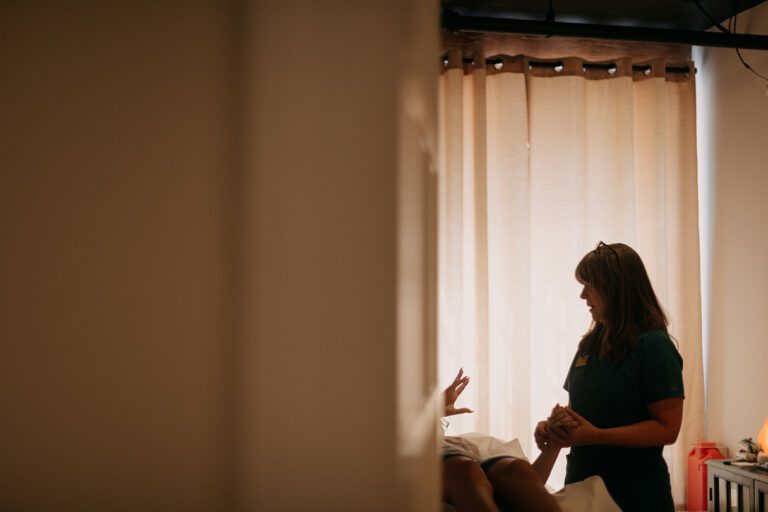
Your first step is a complimentary consultation, a free visit where we sit down together and I learn about what you’re going through. I want to understand the full picture: how long stress has been running your life, what symptoms have developed, what you’ve already tried, and what your daily reality looks like. There’s no pressure and no commitment.
If we move forward, I’ll study your intake form before your first treatment visit and come prepared with targeted questions to clarify your diagnosis. At that first treatment, you’ll receive your initial acupuncture session and, if appropriate, your first herbal prescription. I’ll also give you a Symptom Tracker, a tool where you track changes in sleep quality, digestion, tension levels, and mood that tell us whether treatment is moving in the right direction.
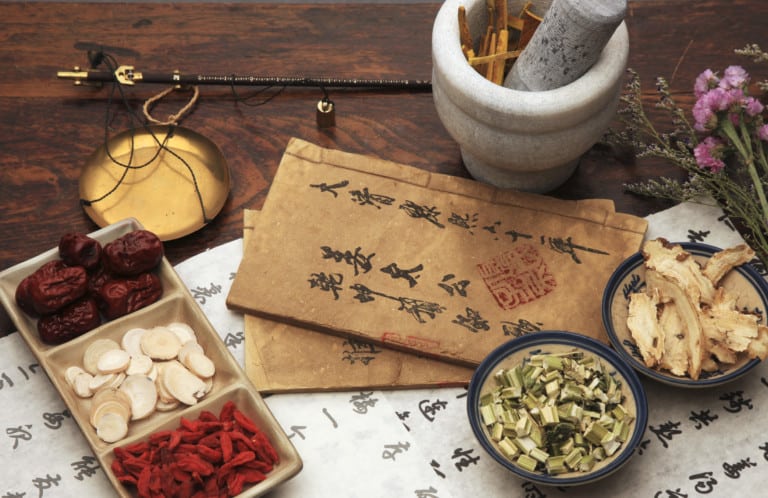
Most stress patients benefit from a combination of acupuncture and Chinese herbal medicine. The acupuncture works on resetting your nervous system, releasing muscular tension, and restoring the smooth flow of Qi that stress has disrupted. The herbs work between sessions to address the specific pattern driving your symptoms, whether that’s calming Liver fire, rebuilding Spleen Qi, nourishing depleted reserves, or any combination.
Acupuncture Works Alongside Your Current Approach
If you’re currently seeing a therapist, taking medication for anxiety or depression, or working with any other provider, acupuncture can work right alongside those treatments. This isn’t an either/or situation. Many of my patients are doing both, and the combination often produces better results than either approach alone.
Acupuncture addresses the physical dimensions of chronic stress that talk therapy and medication may not fully reach: the locked-up muscles, the dysregulated nervous system, the gut inflammation, the hormonal disruption, the sleep architecture that’s been damaged. By working on those physical root causes, acupuncture can enhance what your other treatments are already doing.
Ready to Get Your Nervous System Back?
Chronic stress doesn’t have to be your normal. If you’re in Richmond, Virginia, whether you’re in the Fan District, Church Hill, Short Pump, Midlothian, or Glen Allen, I’d love to talk with you about what’s going on and whether acupuncture might help.
Your first consultation is free. Book online here or call us at (804) 234-3843.
Maegan Hodge, L.Ac., MSOM. Board Certified, NCCAOM/NCBAHM #137186. Master of Science in Oriental Medicine: National University of Natural Medicine. Bachelor of Arts in Psychology: University of Virginia. Treating patients in Richmond, VA since 2010. Centered: Richmond Acupuncture & Wellness. Last reviewed: May 2026.
Related Articles You May Find Helpful:
- Acupuncture for Anxiety: A Chinese Medicine Guide to 6 Types of Anxiety
- Acupuncture for Depression: Why Chinese Medicine Looks at the Whole Picture
- Acupuncture for Insomnia: Why Your Brain Isn’t the Problem
- Acupuncture for IBS: 5 Root Causes and How We Treat Each One
References:
- Clinical efficacy and safety of acupuncture in modulating autonomic nervous function: a meta-analysis of randomized controlled trials (2025)
- Acupuncture increases parasympathetic tone, modulating HRV: systematic review and meta-analysis (2023)
- Effects of acupuncture on hypothalamic-pituitary-adrenal axis: current status and future perspectives (2024)
- Acupuncture in persons with an increased stress level: results from a randomized-controlled pilot trial (2020)
- Efficacy and safety of acupuncture in the treatment of post-traumatic stress disorder: a systematic review and meta-analysis (2025)